
Fighting Superbugs with Viruses: The Science of Phage Therapy
Antibiotic resistance has become one of the biggest challenges in modern medicine. The bacteria are growing resistance to many of the antibiotics at a fast rate which is making some infections much harder to treat. Due to this growing problem, scientists have been exploring alternative ways to tackle this resistance. A promising solution is the use of bacteriophages, also known as phages.
WHAT ARE BACTERIOPHAGES?
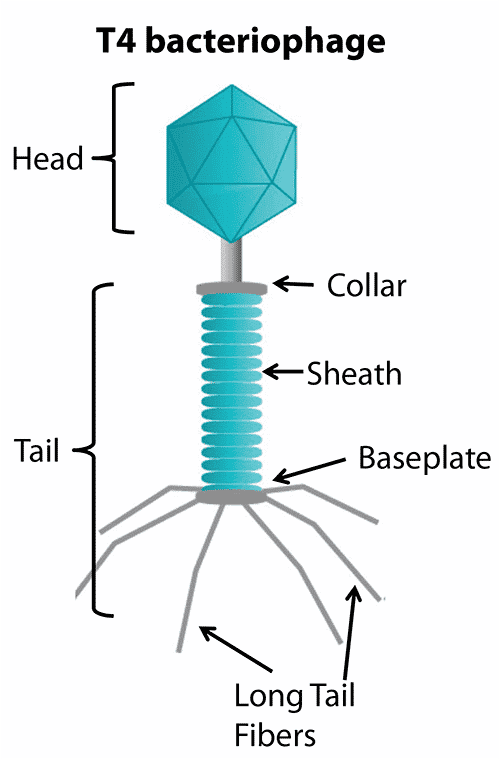
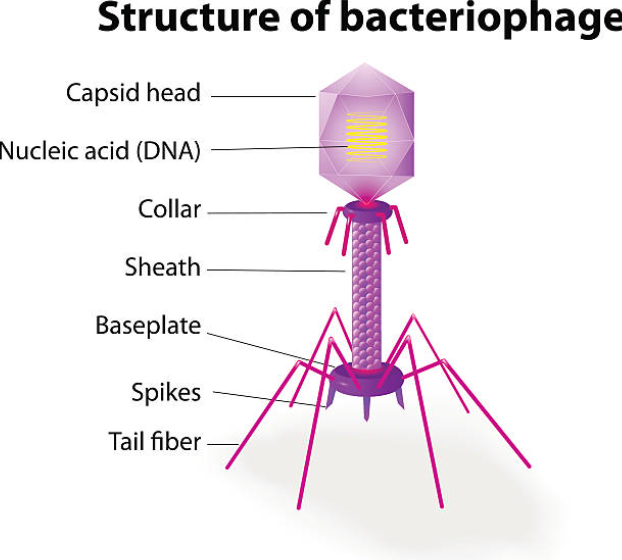
Bacteriophages are microscopic viruses that infect only bacteria. They are considered the most abundant biological organism on Earth as they can be found almost everywhere. The structure of phages includes head containing genetic material and tail fibers that help attach to bacteria.
HOW PHAGE THERAPY WORKS
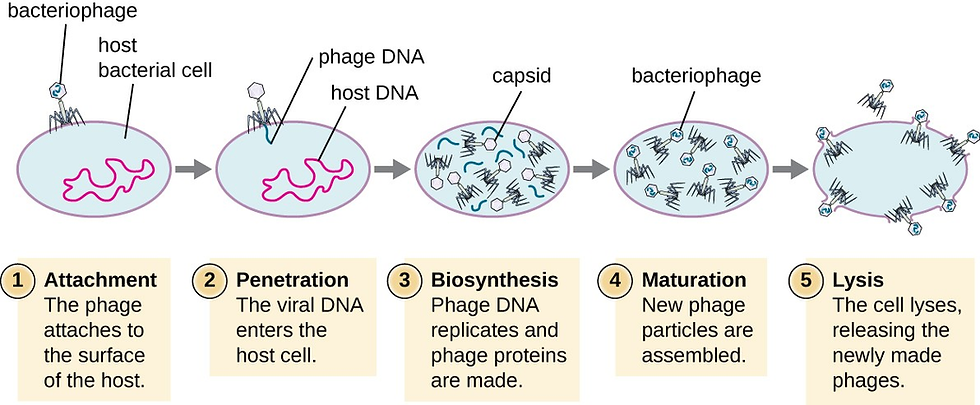
Once a phage attaches to a bacterial cell, it is able to inject its genetic material into it. The phage then takes control of the bacteria and forces the cell to produce more phages. Eventually, the bacterial cell bursts open and releases many new phages that can continue infecting nearby bacteria. This process is known as the lytic cycle. This method has gained attention because phages may be able to destroy antibiotic-resistant bacteria that no longer respond to traditional medications.
WHY PHAGE THERAPY MATTERS
One major advantage of phage therapy is its specificity. Since phages usually infect only certain bacteria, they leave the helpful bacteria in the human microbiome unharmed. On the other hand, antibiotics often kill both harmful and beneficial bacteria because they do not have that same specificity. Another advantage of phages is that they can reproduce at the site of infection as long as their target bacteria are present. This is beneficial because they are able to produce more of themselves and continue attacking other targeted bacteria. However, one disadvantage of phages is that they can only be designed to attack one specific bacterium rather than a whole group of bacteria. Although phage therapy is still in development, it has the potential to become an important tool in modern medicine. Overall, bacteriophages demonstrate how understanding biology and viruses may help scientists develop new ways to fight the growing antibiotic resistance crisis.
References:
Keen EC. A century of phage research: bacteriophages and the shaping of modern biology. Bioessays. 2015 Jan;37(1):6-9. doi: 10.1002/bies.201400152.
Skurnik, M. Can Bacteriophages Replace Antibiotics? Antibiotics 2022, 11, 575. https://doi.org/10.3390/ antibiotics11050575
Lin DM, Koskella B, Lin HC. Phage therapy: An alternative to antibiotics in the age of multi-drug resistance. World J Gastrointest Pharmacol Ther. 2017 Aug 6;8(3):162-173. doi: 10.4292/wjgpt.v8.i3.162.
Comments