
A Sh*t Ton of Diversity: The Microbial World of Poop!
Updated: Nov 6

Whats Going in Your Stool?
When thinking about poop, most people aren't immediately thinking about the millions of bacteria living inside it. However, feces are actually a pretty interesting way to learn more about your body's bacterial diversity! Our gut holds a huge community of microorganisms, aka your gut microbiome, and the bacteria that live in it play important roles in digestion, nutrient absorption, and overall health. In other words, your poop says a lot about you.
Not All Poop is Equal
One of the many fascinating things about our gut bacteria is that everyone's is different!There are many actors that can influence the types of bacteria living in our gut, including:
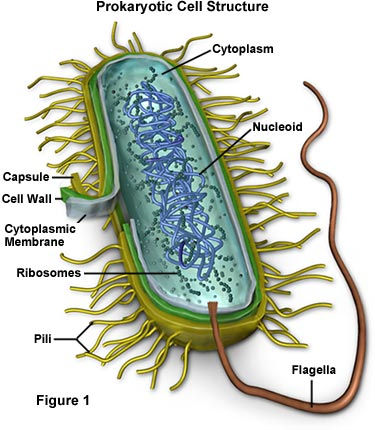
Even two people with similar diets can still have vastly different gut microbiomes. Some of the more common bacteria found in the gut include Bacteroides, Bifidobacterium, and Lactobacillus. Each of these bacteria has different characteristics and functions that support the diversity found in our guts.
Scientists are able to study bacterial diversity in poop using 16S rRNA gene sequencing. This process starts by extracting bacterial DNA from a fecal sample. Next, scientists use PCR (polymerase chain reaction) to make multiple copies of a specific region of the 16S rRNA gene. This specific gene is found in bacteria and contains certain regions that vary among different bacterial groups. By doing sequencing, scientists can compare differences in the bacterial groups and see how diverse the bacterial communities are in someones stomach.

Why Antibiotics Are a Little Too Good at Their Job
While antibiotics are great at fighting bacterial infections, they tend to overdo it. Along with killing harmful bacteria, they also kill the good bacteria living in our gut. This can throw off balance in your microbiome and reduce the diversity needed. Some bacteria are more sensitive to certain antibiotics than others, and one single treatment can change which bacteria are able to survive and grow.
Luckily, scientists have found ways to restore this balance through a treatment called fecal microbiota transplantation. Although this sounds a little strange, the idea is very interesting! It involves taking a stool sample from a healthy donor and transferring that sample into another persons digestive system. The goal is to reintroduce good bacteria so the recipient's gut microbiome can rebuild itself.

There are many ways to undergo this treatment, including capsules, enemas and colonoscopy's. By introducing this healthy bacteria in the gut, it can restore bacterial diversity and prevent things like C.diff. While antibiotics are lifesavers, Fecal Microbiota Transplants are a great example of why not all bacteria is bad!

Why Does Bacterial Diversity Matter?
Different bacteria in your gut have different jobs, some with break down complex carbohydrates while others will interact with our immune system. All of these different types of bacteria help support a healthy digestive system.
Poop may not be the most glamorous subject, but it provides scientists with a facinating window into the microbial world living inside us. By studying bacterial diversity in poop, researchers can learn how microbiomes differ between people and how they can influence our health. Our guts are so complex, but they are also sensitive. Antibiotics can disrupt the balance of our gut and reduce the bacterial diversity amongst it. Luckily, scientists are finding ways to restore balance, including fecal microbiota transplants, which introduce good bacteria from a healthy donor to another persons gut.
So next time you flush, remember you're getting rid of waste, but scientists see this as a whole world of microbial diversity.
Sources:
Cleveland Clinic. “Fecal Microbiota Transplantation: How & Why.” Cleveland Clinic, 21 Aug. 2023, my.clevelandclinic.org/health/treatments/25202-fecal-transplant. Accessed 2 Nov. 2026.
Rosenberg, Eugene. “Diversity of Bacteria Within the Human Gut and Its Contribution to the Functional Unity of Holobionts.” Npj Biofilms and Microbiomes, vol. 10, no. 1, 23 Nov. 2024, www.nature.com/articles/s41522-024-00580-y, 10.1038/s41522-024-00580-y. Accessed 2 Nov. 2026.
“The Future of Medicine Is in Your Poop.” NIST, 18 Apr. 2024, www.nist.gov/health/future-medicine-your-poop. Accessed 2 Nov. 2026.


Comments