
Gram Negative Bacteria: Why so different?
Updated: Nov 10
Bacteria are incredibly diverse microorganisms that all appear very similar at first glance, yet can vary so much in what they do. These variations can make it hard to identify what bacteria you may be working with, as they can range in how and what they metabolize, or they can vary in their shape, size, and general morphology. As a result, many different forms of tests exist to help in identifying bacteria. One test has remained effective helping with the identification of diversity of bacteria and that would be Gram Staining. Gram staining is method conducted by applying a dye along with a mordant (substance that fixes dyes), followed by rising with ethanol to remove unadhered dye and then applying a counter stain. This divides bacteria into two categories: Gram Negative and Gram Positive. While it helps to identify the morphology there is another benefit to gram staining, and that has to with something integral to the structure of bacteria.

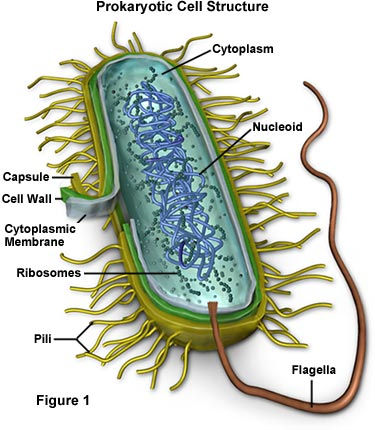
Bacteria posses something called peptidoglycan, a polymer that forms a mesh in the cell wall of bacteria. What's interesting is that some bacteria walls are made up of a majority of peptidoglycan and these bacteria come up as gram positive, but some bacteria don't contain nearly as much and have other parts composing their walls. This is what causes the difference of color in the bacteria after applying the stain, where the purple color comes from the stain adhering and binding with the peptidoglycan, resulting in a gram positive. On the other hand, the pink color comes from the counterstain after the gram stain fails to bind indicating a Gram Negative. Of course this then begs the question: What is the wall of a gram negative bacteria composed of if not peptidoglycan?
Well a typical gram negative bacteria has a layer of LPS, lipopolysaccharides, making up a good portion of their cell walls, they can still contain peptidoglycan but not a lot, which is part of the reason why the stain doesn't stick. Gram negative bacteria also have other characteristics that further diversify them, such as primarily producing endotoxins, having a generally thinner cell membrane compared to gram positive, and other minor differences. But having a layer of LPS is the main identifying charactered and contributes a lot to the uniqueness of gram negative bacteria. A primary example would be gram negative bacteria's effect on the world of healthcare.

Bacterial infection is something all healthcare professionals must be constantly aware of and must be treated as soon as possible with antibacterial. Many antibacterial drugs work by interfering with the cell wall in some way, either by creating holes causing the bacteria to burst, or by preventing the repair of the wall. Of course to do this efficiently it needs to be able to target only the bacteria and not create any potential risks for the patient . Luckily only bacteria posses peptidoglycan so by targeting that this conserves the health your cells. Gram negative bacteria on the other hand are more difficult to deal with since a majority of their cell membrane is composed with LPS, which other cells in the human body also posses. This is why proper diagnosis and identification of bacteria is important so proper treatments can be prescribed that doesn't put the patient at risk.


Comments