
Bacteria: A Tale as Old as Time


When one thinks of the prehistoric world and the beings that inhabited it, they most often think of things like mammoths, dinosaurs, or the humble horseshoecrab. What does not come to mind for most is the varied forms of microbial life that has exsited on this planet for so long. Bacteria, as a kingdom, have existed for longer than any other.
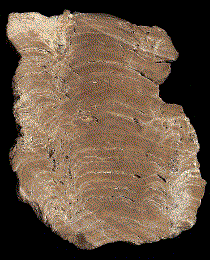
When people like to discuss the many ages in the story of life on Earth, they will often start with either the Cambrian (541-485 million years ago) or the preceding few million years of the Precambrian during the Neoproterozoic (1 billion to 541 million years ago). It was during this period where multicelluar life first appeared and found its footing, and groups we would recognize as animals and plants truly began to emerge. 1 billion years of existence sounds impressive, until one realizes that Bacteria were coating the planet for billions of years prior.

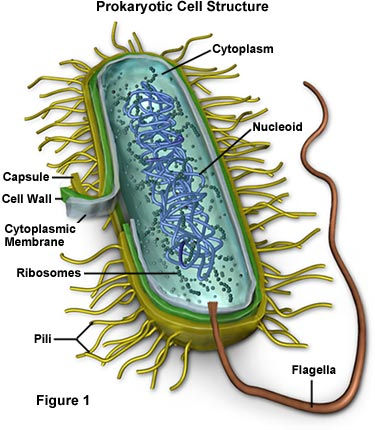
The exact point where Bacteria first appeared is not entirely clear, but they have been around for at least 3.5 billion years! When they first appeared, Earth was still a relatively young planet going through it's celestial puberty. At this time, formational events like the Late Heavy Bombardment were still in recent (geological) memory, the atmosphere was a toxic hellpit, and in the water below, something unassuming began to emerge that would change the Earth forever. Life, in the form of the first prokaryotes. It is from these that all life on Earth would descend.

Eventually, around 2.5 billion years ago, the first cyanobacteria evolved. These bacteria brought with them a groundbreaking innovation, photosynthesis. The atmosphere at the time was largely a toxic mix dominated by carbon dioxide, which these pioneers had a field day with. They would permanently alter the atmosphere and climate of the planet in what is called the Great Oxidation Event, which would lead to the modern atmosphere we know today, without which we would not have been possible.
Bacteria would continue to play roles throughout history right up to the modern day, though obviously, which bacteria were doing what when has changed significantly in the several billion years they've been around. However, with mankind and the dawn of the antibiotic age, these ancient bacteria have become a valuable source of information. By examining prehistoric specimens frozen in permafrost or otherwise preserved, scientists are able to learn about the history of biology and genes on the planet. Of particular note, these bacteria can help show the spread of antibiotic resistance as well as being potential sources of novel antibiotic compounds that modern bacteria haven't been exposed to. While their time in the sun has long since passed, these ancient precursors of our modern microbes may still have plenty of roles to play in mankinds growing knowledge of biology and medicine.
Comments