
Just how diverse are bacteria?
- dhp1016
- Mar 30
- 2 min read
Updated: Apr 1

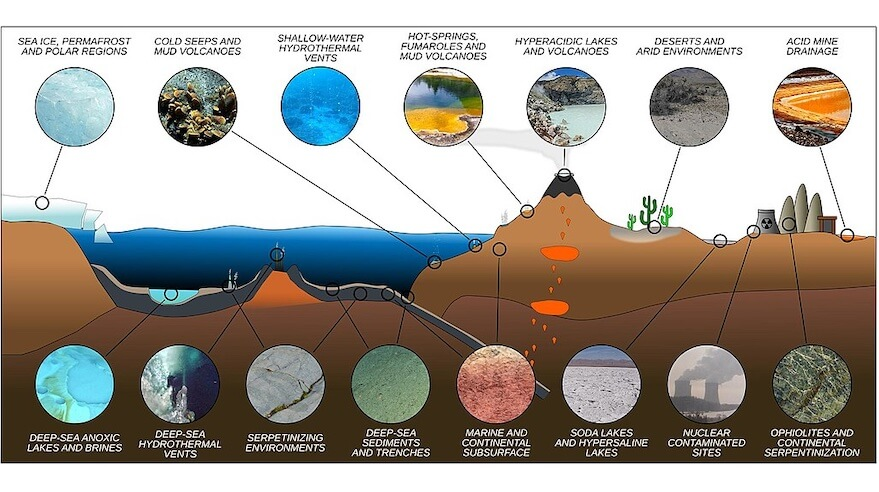
When we hear about bacteria, most people think of diseases, illness, and infection. However, bacteria are actually one of the most diverse groups of organisms on the planet and can be found almost anywhere. They exist inside the human body, on the surface of our skin, and even in extreme environments such as deep sea vents and hot springs where most other life forms cannot survive.
Common shapes of bacteria:
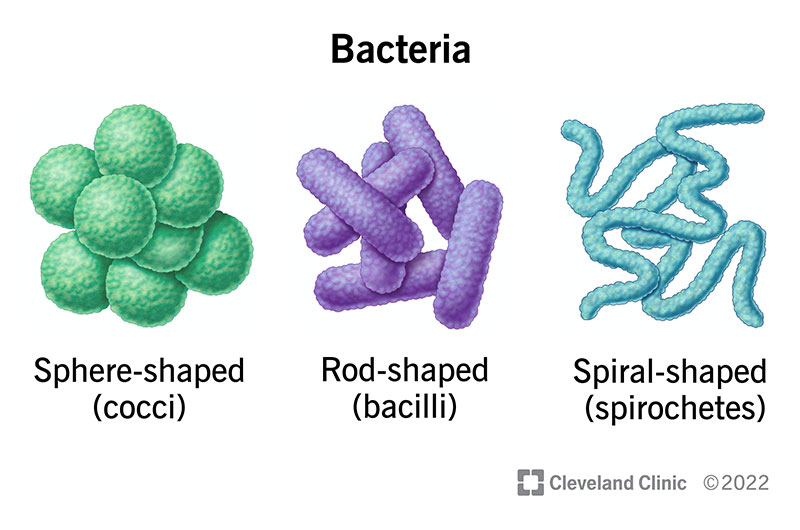
One way bacteria are classified is by their shape. For example, some are spherical (coccus), others are rod shaped (bacillus), and some have a spiral form (spirochete). These different structures are not just for appearance they can influence how bacteria move, attach to surfaces, and interact with their surroundings. For instance, spiral-shaped bacteria are often better at moving through liquid environments.
Bacteria in different environments:
Bacteria also differ greatly in where and how they live. Some bacteria live in oxygen-rich environments, while others can only survive in places where oxygen is completely absent. In fact, some bacteria would die if exposed to oxygen and this ability to live in such different conditions shows just how adaptable and diverse bacteria are. Another important aspect of bacterial diversity is their function. While some bacteria are harmful and can cause disease, many are actually beneficial.
Bacteria in humans and food:
In the human body, bacteria in the gut help break down food, produce essential vitamins, and protect against harmful microbes. Without these helpful bacteria, our bodies would not function as efficiently. In addition, bacteria play important roles outside the body, such as in food production where they are essential for making foods like yogurt and cheese through fermentation. Scientists also study bacterial diversity using genetic methods, such as analyzing DNA sequences. This allows researchers to identify bacteria that cannot be easily distinguished by appearance alone and helps us better understand how different species are related.
Overall, bacteria are far more diverse than most people realize and understanding their diversity not only helps us study ecosystems and develop medical treatments but also allows us to better appreciate the complexity of life at the microscopic level.
Comments