
Bacteria Are Way More Diverse Than You Think!
- crispincisco
- Mar 30
- 2 min read
Updated: Apr 6

When people hear the word bacteria, they usually think of germs or diseases. However, bacteria are one of the most diverse groups of organisms on earth. They can be found anywhere and everywhere. Not all bacteria are bad! The term bacterial diversity refers to the variety, abundance, and distribution of different bacterial species within a particular ecosystem, microbiome, or sample. Bacterial diversity provides many different resources that can be utilized.
Shapes & Arrangements of Bacteria
Scientists study bacterial diversity by looking at their shapes. There are three basic shapes of bacteria:

Some bacteria are round, called coccus (singular) or cocci (plural).
Others are rod-shaped, called bacillus (singular) or bacilli (plural).
Some even have a spiral (curved) shape, called spirillum (singular) or Spirilla (plural).

In addition to bacterial shapes, bacteria come in basic arrangements:
Some bacteria are paired, called diplo-
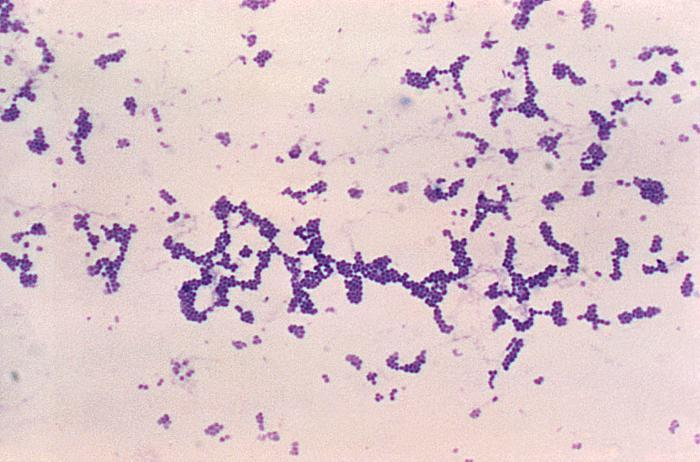
Others are grape-like clusters, called staphylo-
Some are even in chains, called strepto-
However, due to the diversity of bacteria, they assume several shapes and arrangements.
These shapes and arrangements are joined together to help identify and classify bacteria. An example of shape and arrangement joined together to label a bacterial species would be:
Neisseria gonorrhoeae (diplo- (arrangement) & coccus (shape))
Streptobacillus moniliformis (strepto- (arrangement) & bacillus (shape))
Staphylococcus aureus (staphylo- (arrangement) & coccus (shape))
Environment of Bacteria

Many bacteria differ in what they do and where they live. Some are helpful and necessary, while others are dangerous and invasive. There are bacteria in our digestive system that help break down food and support the immune system. Other bacteria live in the soil, which help plants grow. Some bacteria even produce antibiotic substances that kill and/or stop the growth of other bacteria that are not healthy.
How Scientists Identify Bacteria

Not all bacteria are helpful. Some bacteria cause infections and diseases, which is why scientists study them very closely. Scientists study the differences between harmful and beneficial bacteria in microbiology. Scientists also study the DNA of bacteria closely so that they can differentiate the species of bacteria and understand how they are related. Some bacteria look alike under the microscope but are sometimes genetically different. By studying and differentiating bacteria, many scientists can identify novel bacteria and learn more about how bacteria evolve.
Bacterial diversity is important because these microorganisms affect nearly every part of our lives. The next time you hear the word bacteria, try to remember that they are not just germs, but that they are a diverse and essential part of life.
Comments