
understanding Bacterial Diversity and Shape: Why Do Bacteria Have different Shapes?
- aa16858
- Mar 29
- 2 min read
Updated: Apr 12
Bacteria are microscopic living organisms which are among the oldest and most diverse organisms on this earth. Although bacteria are capable of causing diseases, they are very important in our environment as they contribute to ecosystems’ balance and also human health, like bacteria in the gut help digestion and break down fibers.
Additionally, bacteria are utilized in industry for various reasons like fermentation, pharmaceutical manufacturing, and protein production like enzymes.

Bacteria are diverse in every single angle; a few variable factors include structure, metabolism, behavior, and habitat as bacteria can live almost everywhere. Unfortunately, we cannot cover all aspects of diversity in this blog, but we are going to classify bacteria by their shape (morphology).
Diversity of shape:
The shape of bacteria is important for survival because it helps bacteria survive in a certain environment. It is also essential for nutrient acquisition as the smaller bacteria have a high surface area to volume ratio, which helps them absorb nutrients.
Additionally, the spiral shape facilitates mobility; for example, spiral shapes allow swimming in viscous fluids like mucus. There are so many shape advantages beyond survival and motility, including attachment to surfaces, and more.
Bacteria are classified into three main shapes: cocci, bacilli, and spiral.
Cocci: are spherical or oval bacteria and can appear as single, in pairs, chains, or clusters. These bacteria are able to resist environmental stress because they have a low surface area to volume ratio, which allows the bacteria to resist osmotic pressure to avoid drying.

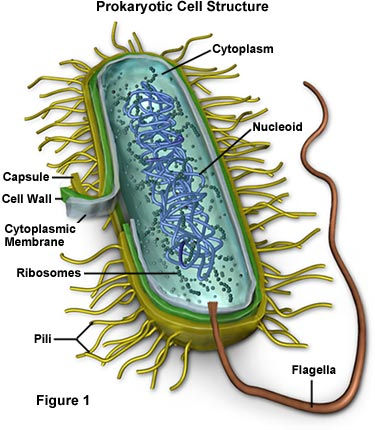
Bacilli: are cylinder-shaped bacteria and they are referred to as rod-shaped bacteria. They have more surface area which gives them a high surface area to volume ratio. This feature allows them to absorb nutrients efficiently.

Spiral: are spiral-shaped bacteria like a corkscrew. Their shape allows them to move through viscous liquids easily.

Some bacteria have unique or variable shape beyond the three main categories, including:
Vibrio: are comma shaped or curved rods
Coccobacillus: are a mix of cocci and bacilli
Pleomorphic: are bacteria that can change its shape
In conclusion, bacterial shapes are important for their survival and adaptation to harsh environment. Scientists continue to study bacteria because bacterial structural diversity continues to evolve as they live in a wide range of environments.
Comments