
Microbial Warfare: How Bacteria Invented Antibiotics... and We Borrowed Them!
For those les infatuated by science bacteria are often cast as the villains in human health as the main cause of sickness, disease, and death. In reality bacteria are some of our most powerful allies, especially when it comes to antibiotics. Long before humans even grasped the potential of bacteria, they were already locked in microscopic battles for control, evolving new chemical weapons to compete for space and resources that we now call antibiotics.
In environments like soil, water, and even the inside of our bodies, bacteria live in dense and competetive communities where survival of the fittest takes priority. With limited resources and harsh competition, survival depends on gaining an advantage. Some bacteria do this by producing specialized antibiotic compounds that inhibit or kill nearby competitors. These compounds arent random, they are the result of millions of years of evolution.
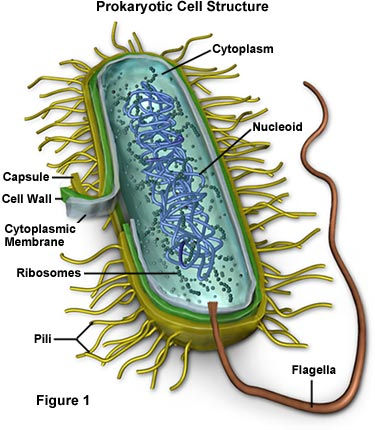
In soil bacteria, they can detect when nutrients are scarce or when competing species come a little to close. In response they activate specific genes that produce antibiotic substances. These molecules have multiple mechanisms of attack, they might disrupt a cell wall resulting in lysis, interfere with protein production, or block DNA replication. They are essentially precision tools designed to shut down rival bacteria. These antibiotic compounds are secondary metabolites meaning they aren't required for basic survival. an example of a primary metabolite would be something needed for energy production or things necessary for cell survival.

From Natural Selection to Life-Saving Drug
So how do we take something bacteria use to fight each other and turn it into medicine? First comes discovery, scientists collect samples like soil and isolate bacteria to see if any produce antibiotic substances. This was the process that famously discovered penicillin! while penicillin came from a mold and not bacteria, Alexander Flemming, a physician at St. Mary's hospital noticed that the mold contaminated a bacterial culture and killed all of the surrounding bacteria.

Once a promising antibiotic producing organism is found, researchers grow it in controlled conditions optimized to encourage that bacteria to produce as much of the antibiotic compound as possible. Factors like temp, pH, oxygen levels, and nutrient availability are fine tuned to create an environment where bacteria produce as much antibiotic secretions as possible.
After production, the antibiotic compound is then extracted and purrified. This process involves separating the compound fro the rest of the bacterial cells and growth medium using chemical and physical techniques like precipitation, absorption, ion-exchange chromatography, and many more. the purified compound is then tested extensively to ensure its effective against harmful bacteria and safe against eukarotic cells aka humans.
Improving Natures Design
Naturally many antibiotics arent always perfect or safe for medical implications. Some are unstable, toxic or simply to weak, this is where modern science comes into play. Chemists often modify the original bacterial compound to improve its properties and effectiveness. These modified versions are called semi-synthetic antibiotics, by tweaking the structure slightly, scientists can make a more potent, long lasting, and safer drug. These minor tweaks can also allow the antibiotic compound to better target its intended region of the body whether it be receptors, body systems, or specific cells.
In addition, advances in genetics have allowed reserahcers to identify and manipulate the genes responsible for antibiotic production. This means that we can engineer bacteria to produce higher yields or entirely new antibiotic compounds.
Comments