
Hidden Antibiotics in River Fish: A New Food Safety Concern?

Did you know that antibiotics can end up in the fish we eat? Recent research in Brazil discovered that various antibiotics are quietly accumulating in the Piracicaba River in the state of São Paulo, especially in the dry season when river levels are low.
Scientists from the University of São Paulo found multiple classes of antibiotics not only in the river water and sediments, but also inside local fish. This raises food-safety warnings: one particularly dangerous drug, a banned livestock antibiotic was even detected in fish caught for markets.
River Pollution and Sampling
The scientists collected samples near the Santa Maria da Serra dam (Barra Bonita region), a hotspot where pollution from across the river basin gathers. This area receives many pollution inputs, including:
Treated sewage and household wastewater,
Aquaculture (fish farming) and pig farm runoff, and
Agricultural runoff from fields
They tested water, riverbed sediment, and several fish species during both the rainy and dry seasons. They monitored 12 common antibiotics (from groups like tetracyclines and fluoroquinolones) and found a clear seasonal pattern.

In the rainy season, most antibiotics were below detection levels, but in the dry season, the drugs became concentrated and measurable. Measured levels ranged from extremely small amounts, like nanograms per liter in water to larger amounts like micrograms per kilogram in sediment. Some antibiotics (like enrofloxacin and certain sulfonamides) were in the sediments at higher levels than reported in other rivers worldwide. Since sediments are rich in organic matter, they can store antibiotics and slowly release them back into the water over time.
Banned Antibiotic Found in Fish
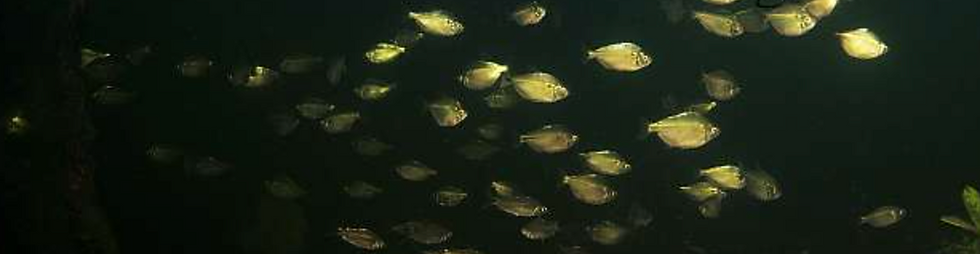
One of the most alarming findings was that chloramphenicol, an antibiotic banned in Brazil for use in food animals, turned up inside a local fish called lambari (Astyanax species) caught by local fishermen. As the researchers explain, “chloramphenicol is an antibiotic whose use in livestock is prohibited in Brazil precisely because of the risks associated with its toxicity”. This drug appeared in the fish only during the dry season, at concentrations of tens of micrograms per kilogram; amounts that couldn't be ignored.
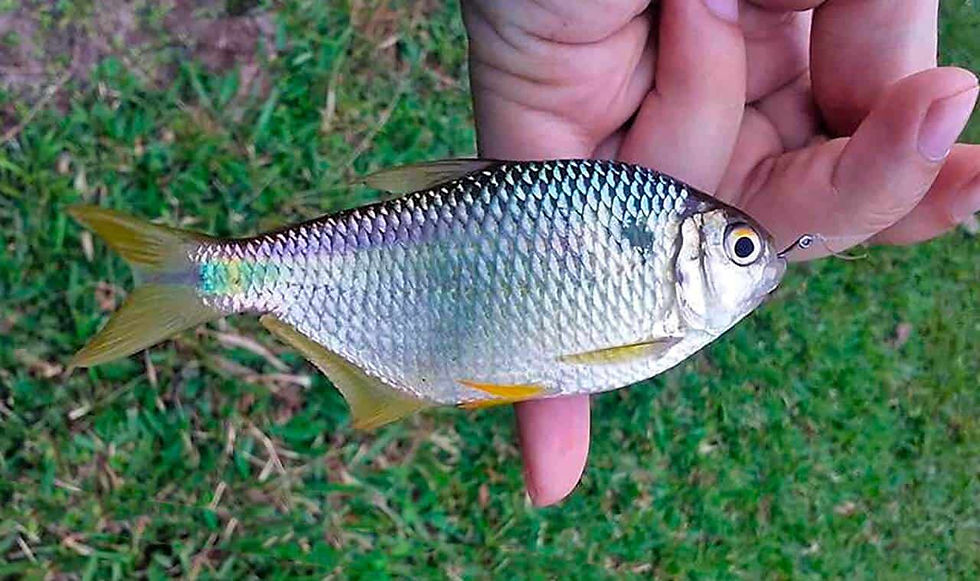
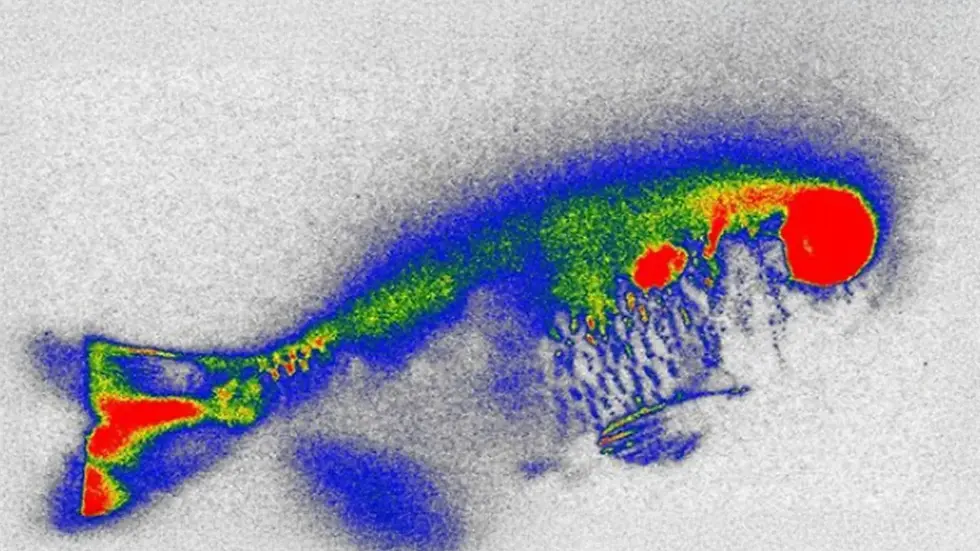
Since these small fish are widely eaten in the region, this discovery means people could unknowingly ingest a toxic antibiotic. For deeper lab studies, the team focused on chloramphenicol and another drug, enrofloxacin. Enrofloxacin is widely used in animal farming (including aquaculture) and in human medicine, whereas chloramphenicol is now only used in humans due to its ban in livestock. Comparing these two helps understand both current pollution (enrofloxacin) and persistent, illegal contamination (chloramphenicol).
Using Aquatic Plants to Clean Water
The researchers also tested a common aquatic plant, Salvinia auriculata, to see if it could remove antibiotics from contaminated water. In controlled experiments, they exposed the plant to realistic concentrations of antibiotics (and even 100× higher doses) and tracked the drugs using carbon-14 labels.
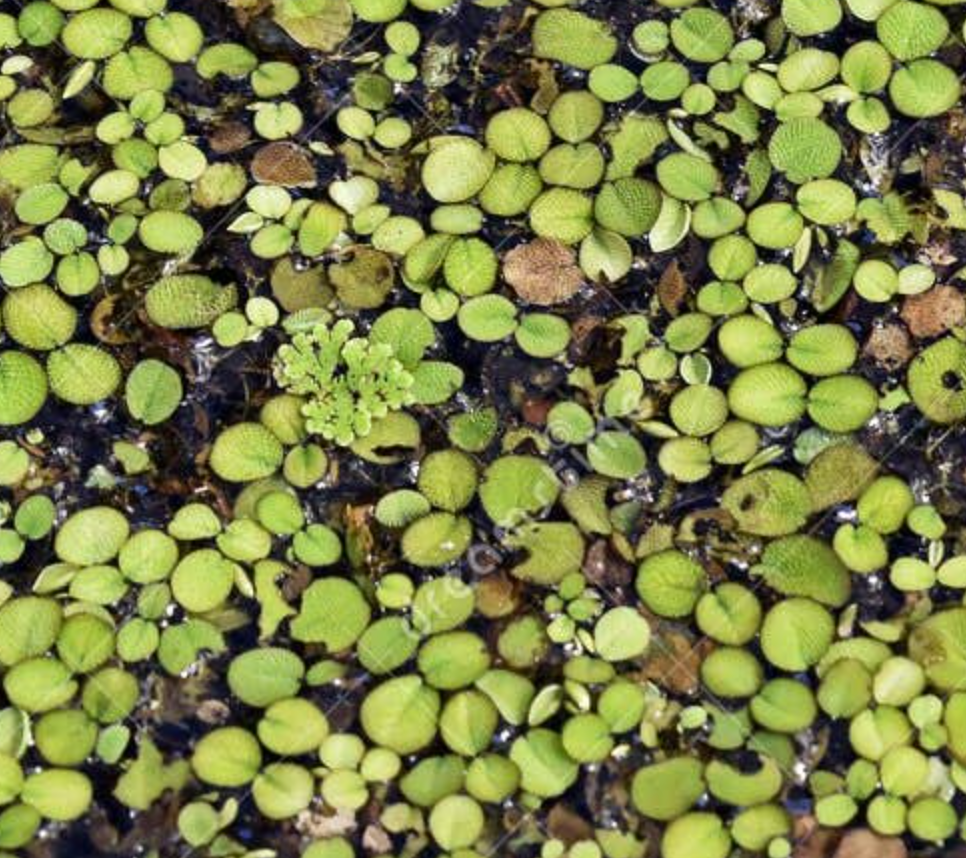
Enrofloxacin removal: Salvinia sp. proved very effective. In tests with lots of plant biomass, more than 95% of enrofloxacin was removed from the water within a few days. The antibiotic’s half-life in water dropped to only two or three days.
Chloramphenicol removal: The results were more modest. The plant removed about 30–45% of chloramphenicol, and its half-life in water was still 16–20 days. This shows chloramphenicol is harder to clean up and sticks around longer.
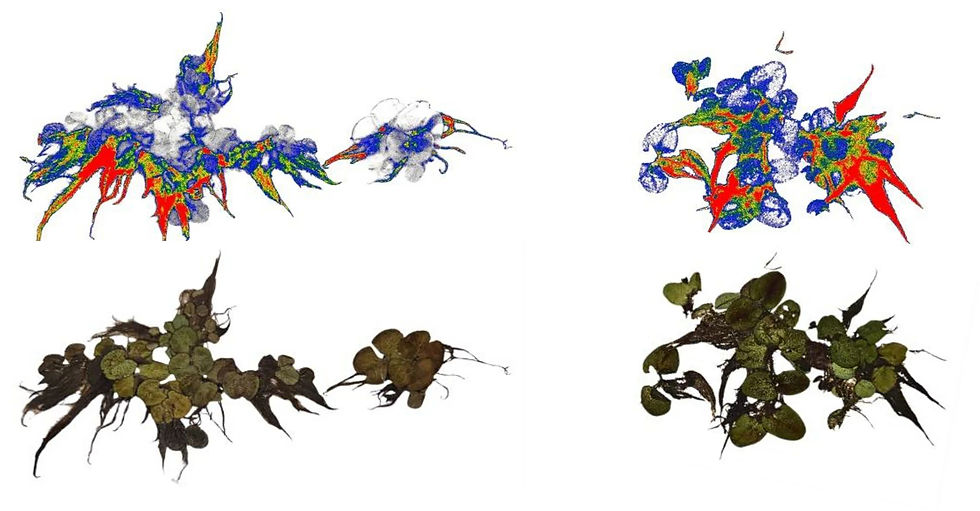
Imaging revealed that the antibiotics mainly accumulated in the plant’s roots, meaning Salvinia likely filters them from water through root absorption. In short, the plant acted like a natural sponge for these pollutants, especially soaking up enrofloxacin.
Unexpected Effects on Fish
A surprising result was how the plant changed fish exposure to the antibiotics. One might expect that lowering drug levels in water would always protect fish, but the study found this isn’t so simple.
Enrofloxacin in fish: Enrofloxacin mostly stayed dissolved in the water and the fish cleared it fairly quickly. The lambari fish eliminated it with a half-life of about 21 days, so it didn’t build up much in their tissues.
Chloramphenicol in fish: In contrast, chloramphenicol lingered a very long time in the fish. Its half-life was over 90 days, and it strongly accumulated in the fish’s bodies.
When Salvinia was present, it lowered the antibiotic levels in water but actually sometimes increased how fast fish absorbed the drugs. The researchers suggest that the plant might change the chemical form of the antibiotic, making it easier for fish to take up. As they note, using a plant as a “sponge” changes the whole system.
DNA Damage in Fish
The study also looked at genetic harm in fish exposed to the drugs. They found that chloramphenicol caused significant DNA damage in the fish, seen as abnormalities in blood.

However, when Salvinia auriculata was present, this DNA damage decreased to near control levels. For enrofloxacin, the plant did not noticeably reduce genetic damage.
The scientists think the plant might be releasing antioxidants or producing fewer toxic byproducts when breaking down chloramphenicol. In contrast, enrofloxacin is chemically more stable and seems to form persistent toxic metabolites that Salvinia can’t neutralize.
Implications for Nature-Based Solutions

This research shows that nature-based cleanup methods have promise, but also limits. Salvinia auriculata is not a simple fix. One big concern is managing the plant itself after it absorbs antibiotics. If the contaminated plant material isn’t properly removed, it could release the drugs back into the environment. Even so, aquatic plants like Salvinia could offer a low-cost option to reduce pollution, especially in places where advanced treatments, like ozonation or expensive filters, are not available. The researchers emphasize that “the problem is real, measurable, and complex” and any cleanup strategy must consider not just removing the drug, but also how it affects wildlife.
Finally, the study highlights a growing public health warning. Finding antibiotics in the river’s water, sediments, and fish “shows just how harmful human activities can be”. These residues can promote antibiotic-resistant bacteria, or “superbugs,” in the environment. In their words, the research “enabled a better understanding of aquatic ecosystems and the use of effective natural techniques for impact mitigation”. In other words, while plants like Salvinia can help clean up some pollution, we must also tackle the root causes and protect our food supply and ecosystems from hidden drug contamination.
ִ ࣪𖤐.ᐟ Research publication in full
Comments